MindEye2: Shared-Subject Models Enable fMRI-To-Image With 1 Hour of Data
SAVIER: Source-Anchored Visual Inspection and Evidence-Guided Repair for Vietnamese Cultural Text-to-Image Generation
SFA: A Statistical Physics-Inspired Diffusion Transformer for Efficient and High-Quality Image Generation

Everything we changed when we rebuilt the token console — and the small annoyances we removed
This is for people who launch tokens, add liquidity, run a presale or lock LP tokens — and who don't want to
read a smart-contract audit in order to do it. We just finished rebuilding the platform underneath, so here's
what actually changed for you, in plain terms, plus the small things we fixed that you'd otherwise notice only
as "huh, that used to be annoying."
Fifteen chains, one top bar
BNB Chain, Ethereum, Arbitrum, Polygon, Base, opBNB, Core, X Layer, Conflux eSpace, ApeChain, Morph, ECO,
Robinhood, ARC, plus the BNB testnet. Switching chains in the top bar carries the rest of the page with it:
which exchange and pool you're looking at, which fee steps that exchange offers, what a batch operation costs
in that chain's own coin. You don't re-enter anything, and nothing silently keeps the previous chain's
settings.
One honest boundary: Solana, TON, Sui and Tron are separate sites. This one is EVM chains only.
"I created the pool but I can't find it" used to be normal
Usually nothing had failed. Different exchanges have different fee steps — PancakeSwap's third tier is 0.25%,
Uniswap's is 0.3%. Ask one venue for the other's step and the pool you just made doesn't show up where you look
for it.
Now the fee options follow the exchange you picked, and the default is always a step that venue actually
offers.
For pools that are already live and out of balance there's repair liquidity (/tool/liquidity): it reads
the current reserves, works out how much each side is short, and deposits only the gap — you don't have to do
the ratio math or risk over-depositing.
Fewer confirmation popups, and failures you can act on
Multi-step flows used to make you confirm approvals one at a time, with a pause between each. They're bundled
now, so there's less clicking — and because the whole bundle is checked before it's broadcast, when something
goes wrong the message tells you which step failed instead of just "the transaction reverted."
Batch jobs also wait for each transaction to land before starting the next. That sounds obvious, but the
previous version started the next one while the earlier was still pending, and nodes rejected it. The kind of
"random" failure where retrying a minute later made it work was usually this.
Batch tools that point at the actual line
If you do airdrops, distributions or sweeps, you paste lists of addresses and amounts hundreds of rows long.
The rule we set for ourselves: one error per field, shown while you type, with a line number.
- Fill a field and it checks immediately — you don't find out after pressing Confirm.
- Bad address? It names the row. Nobody scans a 600-row box for row 481.
- Duplicate addresses merge when you click away, so you don't pay the same wallet twice.
- A limit that means "unlimited" displays as unlimited, not as a 77-digit number.
Neighbouring tools: migrate assets (/wallet/migrate) sweeps tokens and gas out of a batch of wallets with
a gas budget per wallet, and a paying wallet that checks its own balance before sending anything; spread
startup capital (/wallet/distribute) fans one funding wallet out to many, so your launch doesn't look like
one blob in the explorer. Change a scanning setting halfway through and the tool tells you the list you already
have is out of date.
Your private keys stay in your browser
The wallet vault encrypts locally before anything is saved, and a Passkey (face or fingerprint) can unlock it
instead of a password. Nothing is uploaded and no server holds your keys.
Two details that matter day to day:
- Reloading the page doesn't lock you out again. The unlock lives in the current tab and expires after 15 minutes of inactivity, so you're not typing a password every refresh — and closing the tab really does end it.
- There's a manual exit. A lock indicator in the top bar and a "lock now" button share that same 15-minute rule, so the interface can't show "locked" while a refresh quietly unlocks it.
Backups export as a CSV you can store somewhere else, not just to the clipboard — because "I copied 50 keys and
then closed the tab" has happened to everyone.
Also new, and worth five minutes
-
Vanity wallets (
/wallet/vanity): want an address ending in8888? Your browser searches for one locally. No transaction, no gas, and the result is an ordinary wallet — nothing special about it, just easy to recognise. -
Bot workspace (
/bot/robot): it picks the pool that's actually worth refreshing rather than the first one it finds; the wallet cap per round comes from one rule shared by the input box and the engine, so switching speed tiers adjusts your number instead of failing mid-run; and the run log survives a crash, so you can see what had already gone out. -
Project website builder (
/site): generate a landing page for your token and point your own domain at it with a CNAME record. -
Contract calls (
/tool/call) for changing parameters directly, token snapshot for holder lists, batch image upload for NFT artwork (returns ordinaryhttpslinks plus IPFS addresses). - Read-only browsing: you can walk through the whole platform, including what your parameters would produce, without connecting a wallet.
The small things we spent real time on
These are the ones you'll notice without naming:
- Changing language doesn't erase your form. Same page, Chinese to English, everything you typed stays. Move to a different page and it clears — on purpose, so half a form for one tool can't leak into the next.
- Dates refuse the past and stop at the minute, so you can't schedule a lock for a time that already happened.
- Long addresses are shortened with a copy icon, and hovering shows the whole thing — including names the chain gives back to us.
- On a phone, dialogs slide up from the bottom with full-width stacked buttons, and fields are big enough that iOS doesn't zoom the page when you tap one.
- Every fee is quoted in that chain's own coin, not in one fixed network's symbol.
What isn't finished
The AI-launch section is still labelled "in development" in the menu — we built part of it and pulled a piece
back out. Presale and IDO pages work today, but I'm not going to promise you a roadmap for them. And we verify
on the BNB testnet before mainnet, so if a flow behaves differently on a chain we test less often, tell us:
with fifteen chains live, your real transaction is a better test than ours.
Guides for each feature are under /en/guide, the FAQ is
/en/guide/faq, and the console is at gtokentool.com.
Precise Edit by Ideogram
Precise editing with context window
Differential Vector Erasure: Unified Training-Free Concept Erasure for Flow Matching Models
A Better Critic Matters for Distribution Matching Distillation
Chronos-2: A foundation model for multivariate time series forecasting
From Evaluation to Evolution: Benchmarking Image Editing and Evolving Image Models

智能驾驶进入物理AI时代?7位行业嘉宾给出最新判断
10月26日,第八届智能驾驶大会暨2026环秀湖物理AI产业发展推介会在苏州相城举行。
上一届,车路云一体化、智能驾驶出海和无人驾驶商业化是讨论重点,而到了今年,大会的讨论边界进一步从智能驾驶向物理AI延伸。
世界模型、强化学习、端侧智能、虚拟仿真、Robotaxi之外,机器人、低空飞行器等不同形态的物理智能开始出现在同一场大会上。这背后,是智能驾驶行业正在面对的一组新问题。
一方面,高阶辅助驾驶已经进入规模化上车阶段,Robotaxi也开始从技术验证走向运营和商业化;另一方面,当AI真正进入汽车、机器人、飞行器等物理设备,如何获得足够的数据、如何训练和验证模型、如何降低开发成本,以及如何保证系统在真实世界中的安全性,正在成为新的技术难题。
当天,包括Momenta、曹操出行、面壁智能等企业,以及高校和科研机构的多位嘉宾,从世界模型、强化学习、端侧大模型、虚拟仿真、车路云和物理AI基础设施等方向给出了自己的判断。
总结这些发言不难发现,智能驾驶正在成为物理AI最早进入现实世界的一块试验场。而从一辆车的自动驾驶,到机器人、低空飞行器以及城市交通系统,不同技术路线正在回答同一个问题:AI如何从数字世界真正进入物理世界,并形成可以规模化运行的产品。
中国工程院院士,清华大学车辆与运载学院教授、智能绿色车辆与交通全国重点实验室主任 李克强
关键词:智能驾驶安全、车路云一体化、单车智能瓶颈
李克强认为,汽车智能化已经进入大规模应用和商业闭环阶段,当前首要问题是智能驾驶系统安全。仅依靠单车自身的传感器和计算能力存在物理边界,高级别自动驾驶需要从单车智能进一步向车云协同、车路云一体化演进。
他将当前自动驾驶产业的瓶颈归纳为三类:一是部分产品定义与国家、国际标准存在偏差;二是高安全、高可靠自动驾驶的关键技术仍待突破;三是行业投入与商业产出仍不匹配。
技术层面,他认为主要存在三个问题:
感知能力仍有边界。如果车辆“看不见、看不远、看不全”,再强的AI决策也无法弥补信息缺失,因此需要通过超视距感知、数字信号上车和协同感知增加信息来源;
AI模型训练数据仍不完整。自动驾驶正在进入多模态和大模型阶段,但数据类型和场景覆盖不足仍可能产生安全问题;
开发效率较低。当前大量系统仍采用“烟囱式”架构,缺乏统一底座,存在开发门槛高、复用率低和验证周期长等问题。
李克强提出,车路云一体化可以提供两类核心能力:一是建立标准化“数据轨道”,向车辆提供广域、多维、实时交通信息;二是形成面向AI大模型的数据服务体系,为模型持续提供高可靠数据。
目前相关方案已经进入产业化验证。包括北京、重庆在内的城市正在开展车企协同开发,应用场景覆盖前方静止障碍物、“鬼探头”、绿波通行等。部分项目已经进入量产阶段,今年已有7家车企推进相关应用,中国一汽也已公布量产导入。
他认为,高级别自动驾驶未来需要解决三个问题:正视安全瓶颈、突破单车智能的物理边界,并通过车路云一体化降低开发成本、提高研发效率。
欧洲科学院院士,清华大学车辆与运载学院教授 曲小波

关键词:物理AI、数字孪生、飞行汽车、需求响应公交
曲小波认为,物理AI正在推动数字孪生从“映射和监视现实世界”,进一步走向“理解、推演并实时控制现实世界”。
传统数字孪生主要完成物理实体到数字实体的映射,但数字端推演往往需要数秒,很难实时控制物理系统。相关国家重点研发项目希望重点解决四个问题:实现具有泛化能力的数字推演、将推演时间压缩到100毫秒以内、建立数字端与物理端互操作机制,以及通过跨尺度、多层次架构降低末端执行误差。
其技术体系分成三个层级:
组件级:提高电机等执行机构的设计效率和执行精度。通过物理AI学习既有电机数据,可以在约10%误差下,将部分单点计算从小时级缩短到毫秒级;
载具级:解决Sim-to-Real Gap、不同机型与动力学适配以及快速验证,应用于自动驾驶、飞行器自主巡航和工程机械自主作业;
系统级:实现多种异构载具之间的协同,包括需求响应公交、低空交通管控、矿山工程机械等。
在飞行汽车方面,团队与奇瑞合作开发了自主巡航复合翼模块化飞行汽车,由机翼、座舱和底盘组成,可以分别组合成自主巡航飞行器和自动驾驶汽车。
工程机械方面,通过世界模型生成候选轨迹并完成轨迹选择,同时优化起铲点和卸料位置,使工程机械能够完成环境建模、铲装、运输和卸料的连续作业。
需求响应公交目前已在湖南株洲职教城常态化运行18个月。当地约有10万名师生,超过50%已经注册使用。与出租车相比,点到点行程时间只相差约2分钟,但平均单次成本约为2元,对比出租车约9.16元。
低空交通方面,则通过构建起降区域全息环境,进行冲突预测、起降排序和资源调度,目前已经在重庆将通航机场改造成飞行汽车起降测试场。
汤元科技CEO 任冬淳

关键词:世界模型、仿真训练、合成数据、虚实闭环
任冬淳介绍了Yootta WorldLoop世界模型,这是一套面向智能驾驶和物理AI的虚实融合闭环训练与评测系统。
整个系统覆盖数据采集、数据生产、算法训练、算法评测、真机验证和数据回流,并由场景生产与编辑、算法训练、仿真评测与真机验证三个平台组成。
其核心技术包括四个模块:
CAD和3D结构数据物理化;
生成式世界模型;
4D数据渲染器;
仿真物理引擎。
其中,3D资产除几何和颜色信息外,还会加入质量、摩擦力、弹力和材质等物理属性,使机器人能够真正与虚拟资产发生交互。
目前相关系统已经覆盖家居、工业、商业零售、智能驾驶行车和泊车五类场景。
在具身智能场景中,可以加载不同机器人的URDF模型,并设置抓取、导航等任务。任冬淳表示,如果通过真机采集1000条抓取数据,每条需要约1分钟,总耗时超过1000分钟;采用GPU并行仿真,可以将同等规模的数据生产和训练缩短到数分钟至十几分钟。
智能驾驶方面,可以利用车端或路端传感器重建真实道路环境,再改变天气、光照、车辆数量等条件,用于行车和泊车算法训练与验证。
目前Yootta已经与尚品宅配开放500套家居场景,每套包含数百至上千个可以与机器人交互的资产。下一阶段计划构建5000个虚实对应场景,发布100万个真实资产、500万小时合成数据,并适配约50款机器人硬件本体。
曹操出行CEO 龚昕

关键词:RoboX、Robotaxi、物理AI Agent、天地空一体化出行
龚昕认为,AI时代出行行业的竞争正在从流量入口转向一体化供给能力。
曹操出行由此提出RoboX战略,希望把网约车、出租车、巴士、低速物流车、货运卡车和eVTOL等不同移动能力,统一封装成可以被AI Agent实时调用的服务。
在这一体系中,用户未来可能不再需要单独打开叫车APP,而是由AI根据日程、位置和个人需求,自动选择并调用相应出行服务。
曹操出行将物理AI在出行领域的商业模式分为四类:
基础出行服务:统一调度Robotaxi、高铁、低空飞行器等交通工具;
超级物理AI Agent:让车辆成为旅游、餐饮、娱乐等现实服务入口;
实时立体数据服务:利用车内外传感器形成实时环境数据,在合规前提下服务企业和城市管理;
分布式算力:进一步利用车辆闲置算力。
支撑RoboX战略的是Robo OS,负责连接线上AI Agent与线下移动载具,并将用户偏好、出行场景、履约结果、位置和路线等真实数据反馈给AI。
目前曹操出行Robotaxi已经覆盖六座城市,车队规模超过200辆;Robo One在长沙、成都部署超过50台,并计划进入苏州。RAS远程中心已经在杭州和苏州落地。
按照规划,到2030年,曹操出行计划在苏州投放数千台Robotaxi和Robo One,实现7×24小时常态化运营。
其发展路径分为三个阶段:2026年跑通Robotaxi和Robo One载人、运货的准入和运营闭环;2027年随着正向研发Robotaxi车型下线开始规模复制;到2030年,将苏州模式向全国及海外市场推广。
爱思人工智能科技有限公司董事长 杨通

关键词:Agnes Harness、物理AI、Test Time Training、硬件协议
杨通认为,AI正在出现三项变化:通用大模型进入更多垂直领域,模型开始通过Skill和训练反馈实现自我进化,以及大模型开始直接连接物理设备。
基于这一趋势,爱诗人工智能开发了Agnes Harness,希望降低通用模型向垂直智能体和物理AI应用迁移的成本。
Agnes Harness采用前后端解耦设计,将模型能力与MaaS、记忆、沙箱、搜索与工具、上下文管理、团队协作等能力封装起来,再通过Plugin和Skill机制适配不同应用。
在物理AI层面,其核心能力之一是MHS,即通过标准硬件协议,让大模型能够用自然语言连接显微镜、医疗设备、摄像头、无人机等可编程设备。
目前已经进行小车与机器狗协同实验,两台设备依靠摄像头感知环境,再由大语言模型直接参与决策,不使用传统遥控,也不需要完整预设动作流程。
另一个重点是ISI,主要包括两部分:
将模型运行过程中的能力持续沉淀为Skill;
通过TTT(Test Time Training)让模型在实际运行过程中继续更新。
杨通表示,传统模型数据采集、训练和推理由不同团队完成,模型上线以后往往长期不变;TTT希望把数据采集、执行反馈和模型更新连接起来,使模型能够针对具体环境持续适应。
目前相关实验使用约0.9B参数模型进行验证,部分模型约每半小时更新一次。在游戏测试中,持续积累Skill后,部分任务胜率从约3%提升到90%,三对三场景从0提升到约60%。
目前爱诗人工智能模型月调用量约65万亿Token,月图片生成量约5000万张,视频生成量约1.7亿秒。Agnes相关系统已经被用于芯片设计、算子优化、无人机集群、蛋白质合成等场景。
Momenta副总裁 顾功尧

关键词:高阶辅助驾驶、世界模型、强化学习
顾功尧认为,中国高阶辅助驾驶已经进入快速上量阶段,城区NOA方案开始进入10万元及以下车型,全球市场则整体晚于中国数年。
Momenta的业务模式可以概括为“一飞轮、两条腿”:一条是量产辅助驾驶,另一条是L4规模化无人驾驶。量产车型持续产生真实道路数据,再反哺Robotaxi等L4产品。
目前,搭载Momenta辅助驾驶系统的乘用车已经超过130万辆,累计定点超过240个,交付120多款车型,累计真实行驶里程约200亿公里。
Momenta将物理AI理解为“世界模型+强化学习”。
其R7世界模型主要分为三个阶段:
预训练:利用上百亿公里真实道路数据,让世界模型学习物理规律、交通行为和道路常识;
仿真推演:模拟自车和其他交通参与者的行为变化;
强化学习:在世界模型构建的仿真环境中进一步训练车端驾驶模型。
Momenta目前使用统一模型架构支撑L2++到L4产品,量产辅助驾驶、Robotaxi等产品共用同一条模型和数据主线,只根据法规和安全要求设置不同冗余。
R7已经应用于多款量产车。例如复杂山路中,系统需要同时处理骑行者、隔离带和对向车辆,寻找短暂的安全超车窗口;在夜间城区绕过违停车辆时,还需要提前识别远处隔离墩,并规划重新回到原车道的轨迹。
Momenta正在预研下一代R9世界基础模型。R7参数规模约10亿级,R9计划提升到约千亿级,同时车端芯片算力也从百TOPS级向千TOPS级演进。
R9希望进一步理解更加细微的物理变化,例如不仅识别山体落石,还能够推演落石后续运动是否符合自由落体规律。
面壁智能联合创始人兼首席科学家 刘知远

关键词:密度法则、端侧智能、全模态感知、物理AI
刘知远认为,大模型过去八年的核心变化并不只是参数规模持续扩大,而是形成了一套可以不断吸收不同类型数据的通用技术路线。
随着模型继续扩大,数据和算力正在成为新的约束。
在数据侧,从2024年前后开始,大规模强化学习推动模型由模仿学习向探索式学习发展,使模型可以主动探索并生成新的训练数据。
而在算力侧,如果仍然只依靠扩大参数规模提升能力,计算需求最终难以持续。因此,大模型还需要提高“智能密度”,即使用更少参数和算力达到相同智能水平。
面壁智能由此提出“密度法则”。
根据其观察,全球开源大模型的智能密度大约每100天提升一倍,即大约每100天就可以用一半参数和一半计算量,实现此前相近的智能能力。
刘知远认为,这类似于半导体行业的摩尔定律。未来模型一方面会不断变小,手机、汽车、机器人等终端算力另一方面会继续提高,两条趋势最终交汇,使过去只能运行在服务器上的大模型逐步进入终端。
他将未来AI分为三种形态:超级智能、云侧智能和端侧智能,其中端侧智能将成为物理AI的重要载体。
人工智能进入物理世界还存在三个趋势:
高智能密度:降低模型运行所需的参数和算力;
全模态感知:通过视觉、声音和其他传感器理解现实世界;
自主智能体:在开放环境中持续决策、学习和行动。
面壁智能已经将端侧模型应用到手机、汽车座舱、卫星和机器人等场景,并与华为、三星等企业开展合作。
按照密度法则推算,如果智能密度继续维持约100天翻倍的速度,不到两年时间,同等能力所需的参数量和算力可能下降两个数量级,使原本万亿级模型的部分能力压缩到百亿级,并部署到终端设备。
刘知远认为,未来大模型将持续进入手机、PC、汽车、机器人、可穿戴设备和IoT等终端,端侧智能将成为AI进入物理世界的重要路径。雷峰网雷峰网
Making Sense of Audience Change: Causal Attribution and Boundary Management on Xiaohongshu
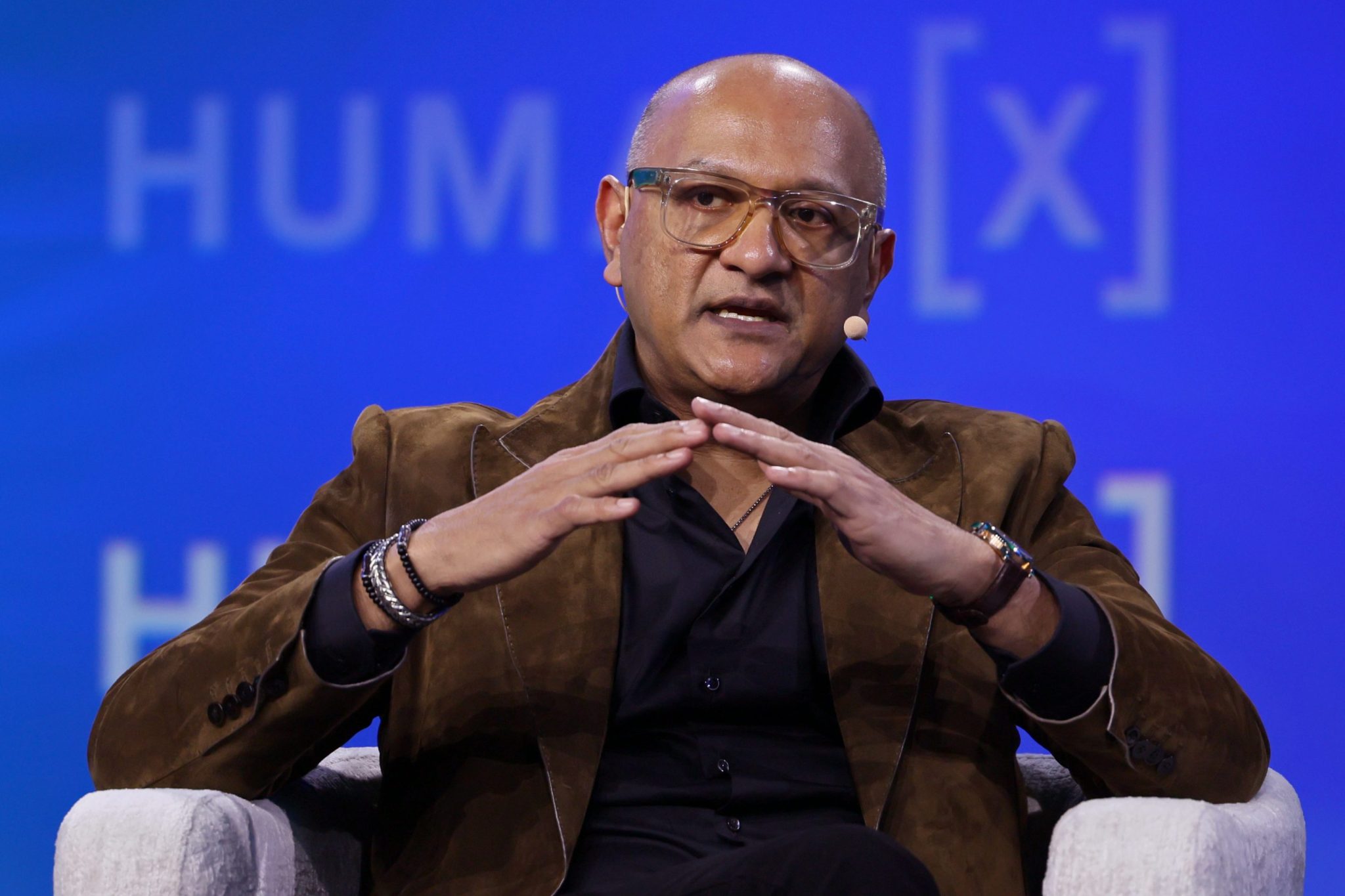
Cisco chief found a 27-year-old ex-founder ‘buried away in the organization doing something unstrategic’—now he’s upgrading 98% of its code
Gen Z can’t catch a break. Entry-level jobs are vanishing; some 40% of bosses say they plan to hire fewer grads because AI can do the job cheaper, and young workers are routinely slammed for showing up late and refusing to put in overtime for free. Cisco’s president and chief product officer Jeetu Patel isn’t buying it—he’s just handed one of the company’s biggest jobs to a 27-year-old he found hidden in the org chart “five levels” below him.
“I’ve given him unlimited tokens because he’s going to refactor code,” Patel told Fortune at a small roundtable dinner. “So I’m like, you can go, you can go nuts.”
The “him” is Padmanabhan Krishnamurthy, or “Paddy,” as Patel affectionately calls him. He joined Cisco in 2025 after the $429 billion tech giant acquired EzDubs, the real-time translation startup Krishnamurthy cofounded in 2023. And despite coming in as a former founder with CEO experience, he was, in Patel’s words, “buried away in the organization doing something unstrategic.”
That changed when Patel dropped into Cisco’s San Francisco office, and the pair got talking. Krishnamurthy reckoned he could rewrite Cisco’s legacy code with a two-person team. Patel says even the most AI-forward people on his own team weren’t thinking that way.
So he has given himself four weeks to prove it, with the final goal of refactoring 98% of Cisco’s legacy code within 24 months.
Now, he’s on the hunt for more Paddys: young hires who will “challenge the system and the status quo,” or, as he puts it, be “an energizer bunny that just goes out and kind of revs everyone up.”
Cisco’s president says Gen Z should be teaching his veterans, not doing data entry—and he’s fine with the tension that causes
At most companies, only someone with decades of experience under their belt would be trusted with a project this size. Patel thinks that’s a problem.
“If you don’t hire the early-in-career [workers], and you just let your workforce continue the way that they were, where do fresh ideas get injected? How do you challenge the status quo?” he said.
Seasoned staff can still come up with new ideas, Patel added. What they can’t do is ask the questions that only someone with no experience would think to ask.
And getting the two to get along isn’t always smooth. Patel admits that putting a Gen Zer in a room with people who’ve been at Cisco for decades can create friction—but he says that’s the point.
“Tension is good,” he said. “I actually try to create tension in the teams because you want to have enough friction on the ideas. You don’t want to have friction with people and personalities.”
“What you have to do is establish enough trust with people to say you are going to be expected to create unreasonable goals for yourself,” he added. “And so, in order to go out and achieve those unreasonable goals, think outside of the box.”
And he’s not just pushing senior staff to take notes from twentysomethings. He said that he treats every intern as “kind of a reverse mentor,” and even does talks at colleges to find students who are “hungry.”
His latest Gen Z bet came out of one of those talks, to 17- and 18-year-old Stanford scholarship students. While a line of students fired questions at him, one, Baya, stood off to the side, just listening. She waited until everyone else had finished before she opened up.
He told her to email him every month with what she’d learned about AI. It was a test of follow-through: “Everyone can go out and have one good conversation. But are they going to stick with their commitments?”
She never missed one, landed an internship at Cisco, and redesigned “something” that experienced staff hadn’t been able to crack.
“I didn’t bring her in so that she can do grunt work and do data entry,” he said. “We brought her in so that she could actually teach our people how to think completely differently.” Now he wants to recruit her.
Patel isn’t the only one betting on Gen Z—OpenAI investor Josh Kushner and Will.i.am are hunting for young, hungry talent
Patel isn’t the only boss who sees Gen Z’s lack of experience as an asset.
Thrive Capital’s founder Josh Kushner told Fortune he specifically likes to hire people with less than four years of industry experience.
When he launched the venture capital firm at just 26, he faced pressure to bring in older, more seasoned hires. But, as he put it, “anyone who has experience that is talented will never want to work with a 26-year-old.” So, instead, he recruited the “smartest people that we knew who were our ages.”
And that bet paid off: His firm made early investments in startups worth billions, including OpenAI, which is currently raising up to $30 billion at a $1.25 trillion valuation.
These days, Kushner could easily hire industry veterans with glowing résumés—but he’d still rather “find that young, hungry person.”
Alon Chen, founder and CEO of Tastewise—a generative AI platform trusted by PepsiCo, Nestlé, and Mars—is also actively looking for Gen Zers with zero experience.
“I’m hiring entry-level because they have no boundaries or limitations in how they think about the world,” Chen told Fortune. “They’re almost like AI natives themselves, having been born and raised in this new realm of opportunities. And I see some of the best ideas coming from the younger generation that have not yet been in the job market.”
And Will.i.am has reached a similar conclusion. The Grammy-winning Black Eyed Peas frontman might be best known for his chart-topping hits, but behind the scenes, he’s a serious investor too. He backed Tesla, OpenAI, and Pinterest before they became household names—and now, he’s betting on Gen Z for his next investment.
[推广] 分享一个图片和视频生成工具 Flux 3,做产品图、社交图和视频的朋友们可以试试
给有产品配图、社交媒体素材或短视频制作需求的 V 友们分享一下 Flux 3 AI ,可以在同一个网站里生成图片、修改照片,也可以把静态图片做成视频。
网站地址: https://flux3-ai.com/
目前新用户注册送积分,可以免费生成 1 个视频或 6 张图片,大家可以先体验一下效果。
主要支持这几种用法:
- 文字生成图片:描述主体、场景和风格,生成配图。
- 图片编辑:上传已有图片,用文字描述想修改的地方。
- 图片生成视频:上传静态图片,描述希望出现的动作。
- 文字生成视频:直接用文字描述想要的画面。
也可以先从一张社交媒体配图开始,输入你想要的画面,比如: 一只橘猫趴在咖啡馆窗边,午后的阳光照在木桌上,旁边放着一杯拿铁,整体温暖自然,方形构图。
注册后就能用赠送的积分体验,做图或做视频都可以~
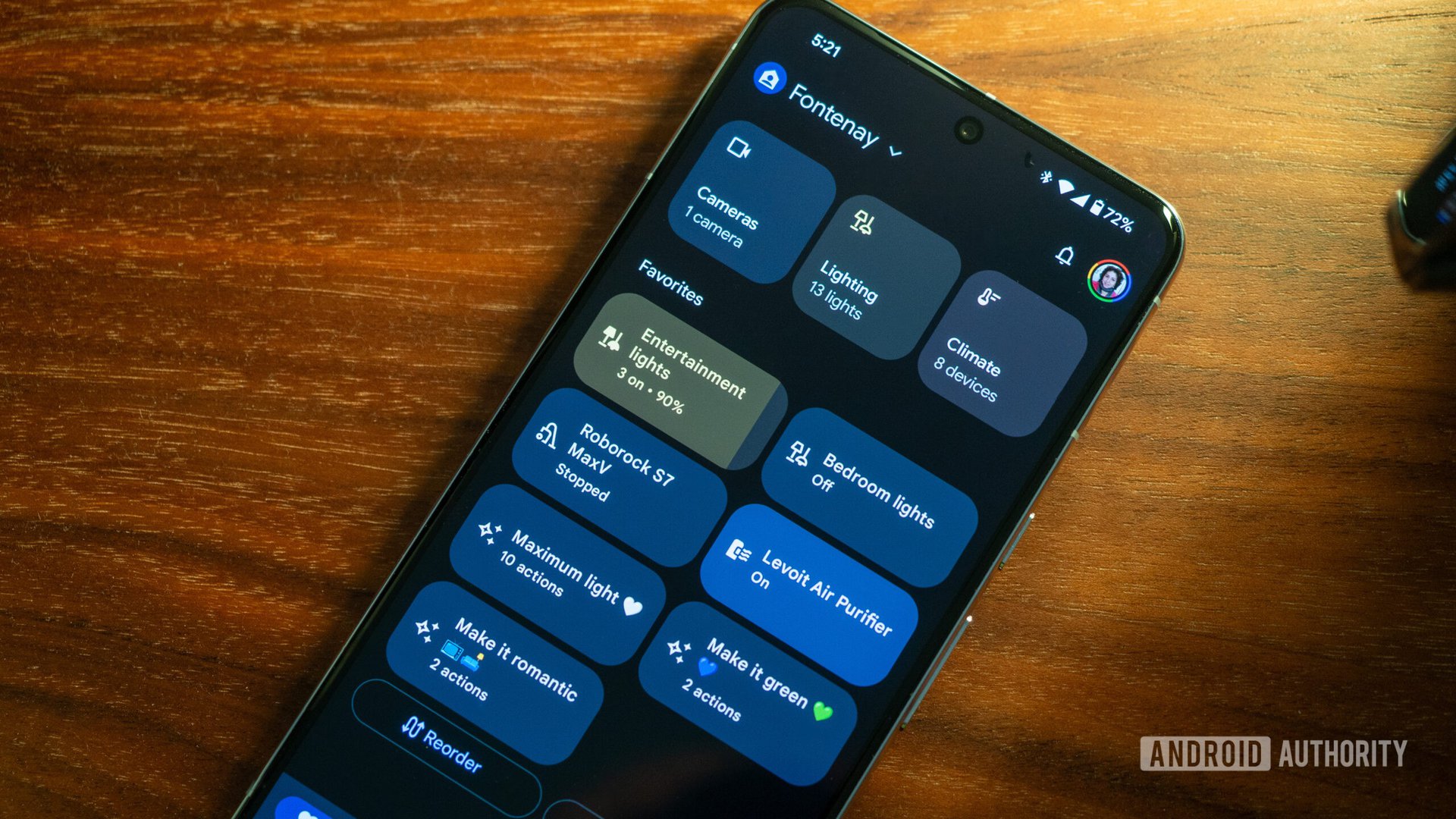
Google is cleaning up Home’s messiest bugs, with fixes for cameras, Matter devices, and more
- Google is updating the Home app and Gemini with all its latest smart home fixes.
- Gemini should no longer complain about misunderstanding commands you never issued.
- A number of fixes aim to resolve performance problems with cameras in the app.
As anyone who has seriously built up a household around Google Home can attest to, the service can feel like it’s constantly in a state of flux. New fixes are arriving all the time, and today Google just shared word of a big wave of updates arriving for the company’s hardware. But that’s just the half of it, and Google’s also telling us about the latest improvements coming to Gemini and the Google Home app.
Google published an almost overwhelming Home changelog earlier today, detailing the past couple weeks’ worth of fixes and upgrades. Some of these read a little familiar, like promises for Gemini to understand us better — and here, specifically, Google’s putting a stop to devices blurting out “sorry, I didn’t understand,” in response to nothing at all.

GitHub says massive influx of AI-generated code required extra 4 million CPU cores and 160 petabytes of storage to manage
[酷工作] 效能督查官,运维助理,后端工程师, AI 短剧导演, AIGC 视频生成师
岗位职责
(一) K8s 服务器运维
- 熟练操作 K8s 集群,负责部署、配置、监控及故障排查,管理 Pod 、Service 等核心资源,保障集群稳定运行。
- 优化 K8s 组件运维,推进 IaC 实践,使用 Terraform 、Helm 等工具实现集群自动化部署;搭建监控告警体系,快速处置异常并输出优化方案。
- 配合研发完成容器化改造,优化 Docker 镜像流程,衔接 CI/CD 流水线,实现研发交付自动化。
(二)海外服务器统筹管理
- 协助负责人管理海外多区域 200 台服务器,完成初始化、安全加固及资产台账管理,确保资产可追溯。
- 负责海外服务器日常监控与故障处置,制定应急预案,保障海外业务连续性,处理网络、合规及安全相关问题。
- 优化服务器资源分配,配合海外业务团队提供技术支持;建立运维规范,推动运维自动化。
(三) DevOps 体系与协同支持
- 优化 CI/CD 流水线,推动研发运维一体化,提升交付效率;选型并开发运维自动化工具,解决重复性工作。
- 对接各团队提供 DevOps 技术支持,协助负责人开展团队培训,参与重大故障排查与优化。
PS:需具备较强的问题解决、跨区域协同及应急处置能力,能独立承担核心运维任务,助力全球业务稳定发展
-------------------------------
远程岗位名称:效能督查官
汇报对象:CTO
岗位职责
1. 跟进各部门及项目组的进度执行情况,定期核查任务排期与里程碑达成情况是否符合既定节点。
2. 核实各部门实际产出与汇报内容是否一致,发现进度失真、责任归属不清等问题时,及时与相关负责人核实并推动整改。
3. 收集整理各部门的项目进度与产出数据,形成统一格式的督查报告,按周期汇总提交给上级。
4. 对反复出现问题且未有效整改的部门或责任人,如实上报,保持客观公正,不做选择性汇报。
5. 建立并维护可量化的进度跟踪机制,如项目清单、进度看板等,使督查工作有据可查。
6. 视情况参与跨部门协调,推动阻塞事项落地,确保督查结果转化为实际改进。
任职要求
1. 具备较强的原则性与抗压能力,能够客观、坚定地指出问题,沟通专业、不情绪化。
2. 逻辑清晰、表达直接,能够准确、简洁地传达复杂的进度信息。
3. 具备项目管理、运营督导、审计或同类对结果负责岗位的相关经验者优先。
4. 熟练使用表格及看板工具(如 Excel 、飞书多维表格、Notion 等)进行数据整理与呈现。
5. 对业务有基本理解,能够判断进度延误的真实原因。
6. 具备良好的向上沟通能力,能够客观、完整地向管理层汇报情况。
核心素质要求
1. 标准统一、对事不对人,不因人情关系而调整判断尺度。
2. 抗压能力强,能够承受督查过程中的抵触情绪。
3. 结果导向,跟进问题直至闭环,而非止步于提醒。
-----------
远程岗位:高级后端开发
薪资 20-30K
岗位职责
1. 负责短剧及 AI 内容平台的后端架构设计、核心功能开发与维护,保障系统稳定性、可扩展性及交付质量。
2. 负责短剧业务系统建设,涵盖内容管理、剧集管理、视频处理、播放鉴权、会员订阅、付费解锁等核心流程。
3. 负责 AI 文本生成、图片生成、视频生成模型的接入与服务封装,支持多模型调度、流式输出、异步任务及结果回调。
4. 建设 AI 内容生产流程,串联剧本生成、角色设定、分镜生成、生图、生视频及成片处理等环节。
5. 设计模型任务调度与计费体系,完善并发控制、超时重试、幂等处理、失败补偿及成本统计。
6. 负责数据库、缓存、消息队列及接口性能优化,完善日志、监控与告警,参与生产故障排查和复盘。
7. 推进代码评审、自动化测试及 CI/CD ,与产品、算法、前端和运维团队协作完成项目交付。
任职要求
1. 10 年及以上后端开发经验,具备独立负责核心业务模块或中大型项目的能力。
2. 精通 Go 、PHP 、Python 中至少一门,熟练掌握另一门,熟悉对应主流框架,具备良好的业务建模、接口设计及工程实践能力。
3. 具备短剧或长短视频平台实际项目经验,熟悉内容与剧集管理、视频转码、对象存储、CDN 分发、播放鉴权及付费解锁等业务。
4. 具备 AI 文本、图片生成、视频生成三类模型的实际接入或部署经验,能够独立完成接口集成、任务编排、异常处理及上线运维。
5. 熟悉文本模型的上下文管理、提示词模板、结构化输出及流式响应;熟悉文生图、图生图、文生视频、图生视频等常见生成流程。
6. 理解生成式 AI 服务的生产特点,具备长耗时任务调度、限流排队、取消与超时处理、回调去重、失败重试及生成结果存储经验。
7. 熟悉 MySQL 或 PostgreSQL 、Redis 及至少一种消息队列,能够解决慢查询、缓存一致性、重复消费及事务一致性问题。
8. 熟悉 Linux 、Docker 、Git 和 CI/CD ,具备监控告警、性能分析及生产环境故障排查能力。
9. 具备模型调用成本和服务质量意识,能够跟踪调用量、成功率、生成耗时及单次任务成本,并持续优化。
10. 具备良好的沟通协作和技术文档能力,能够将业务需求转化为可落地的技术方案。
加分项
- 有 AI 短剧、AI 漫剧或自动化视频生产平台的完整项目经验。
- 有角色一致性、分镜连续性、参考图控制及音画合成等工程落地经验。
- 有 ComfyUI 工作流集成、自托管模型推理服务或 GPU 资源调度经验。
- 熟悉 FFmpeg ,有字幕、配音、音视频合成及批量媒体处理经验。
- 有多模型供应商接入、故障切换、模型效果评测及成本优化经验。
- 有高并发付费业务、订阅计费、支付对账或海外产品开发经验。
---------
更多岗位咨询详细,可直接添加或发简历到 Telegram : https://t.me/HR_linlin001
有意向投递简历到 Email 邮箱: zygs2151@gmail.com

工程能力一键复用,专心卷新能力!轮子造一次就够了|详解FluxVLA Engine技术报告